A camera shows what is inside the line
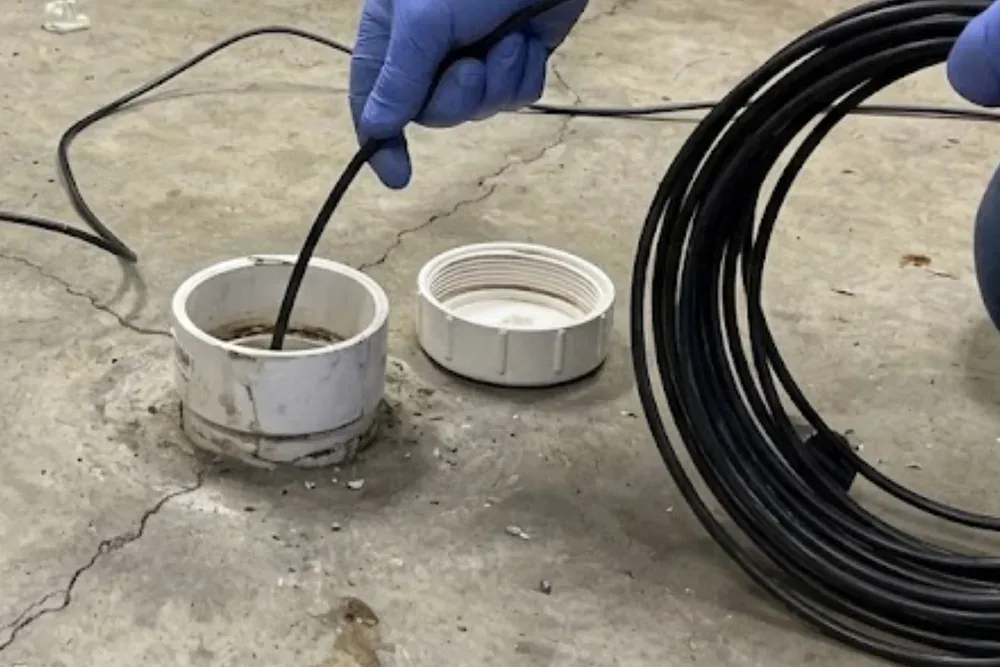
A sewer inspection feeds a waterproof camera on a flexible rod through the cleanout or a pulled toilet. The camera records the inside of the pipe, and a locator marks where the camera is on the surface. That turns a guess about a drain problem into a picture of what is wrong.
People order inspections for several reasons: after repeat clogs, before buying a home, before a remodel that adds load to the line, or when a yard has a wet patch with no obvious source. The result is a recording and a clear explanation of what the plumber found.
How an inspection works
The visit is short and usually needs only access to a cleanout.
- 1
Find access.
The plumber looks for the cleanout, or pulls a toilet if there is none.
- 2
Run the camera.
The camera travels along the line, recording its length and the condition of the pipe.
- 3
Mark and measure.
A locator marks the depth and position of any problem on the surface.
- 4
Explain the footage.
You see the recording or stills, hear what the plumber found, and get a clear price for any fix.
Things a camera commonly finds
Different findings lead to different decisions.
Roots.
Fine roots at joints, or a dense mass. Roots can be cut and the joint repaired.
Belly or sag.
A low spot where water and waste collect. A significant belly may need repair.
Cracks and offsets.
Joint separations and breaks, common in older clay and cast iron.
Scale and buildup.
Mineral or grease deposits that jetting can address.
A clean line is also a useful finding, since it means a recurring problem is somewhere else.
Want to know what is in the line?
Call to schedule an inspection. A plumber can explain what to expect.
Situations where a camera makes sense
| Situation | Why a camera helps |
|---|---|
| Repeated clogs. | Shows whether roots or damage cause them. |
| Buying a home built before the 1990s. | Reveals the condition of the lateral before you commit. |
| Before a remodel adding fixtures. | Confirms the line can handle the load. |
| Wet patch or sewer smell in the yard. | Locates a leak without digging blindly. |
| After a repair. | Confirms the work is sound. |
Why older Roy homes benefit
Roy has many homes from the post war years through the 1980s, and sewer laterals from that time are the ones most likely to hold surprises. A home that looks well kept may still have a lateral with root intrusion that has not yet caused a backup.
For buyers, a camera inspection is useful because the lateral is not visible in a standard home inspection. For owners, a recording gives you a baseline to compare with after future work. Roy City permits are available online if a repair needs one, and the plumber can tell you which repairs need permits.
How to get ready for an inspection
A little preparation saves time on the day.
- Locate and clear access to the cleanout.
- Mention any history of clogs or backups.
- Tell the plumber about past repairs or lining.
- Avoid running water during the inspection.
- Be home to see the footage.
What decides the price of a sewer inspection
Insurance does not normally pay for a routine inspection. If you are buying a home, ask who pays in the negotiation.
What the findings mean for your decisions
A clean line with minor roughness is good news and often means you can keep the pipe as it is. Light roots at a joint usually mean a cleaning and a plan to monitor. A belly, a crack or an offset calls for a conversation about repair, and the recording gives you something concrete to compare quotes against.
If you are buying a home, the footage can also be used in negotiation. A seller may agree to repair a defective lateral or adjust the price. Keep a copy of the recording, since it is a baseline for the life of the line.
What an inspection can lead to
A clean recording may mean you only need occasional drain cleaning. A line with scale or grease may call for jetting, and one with cracks or roots will need repair. Buyers in Layton and nearby towns often book an inspection before closing. Homeowners in older parts of Roy, such as Sand Ridge, often start with a camera look.
Questions about sewer inspection
No. The camera is a small flexible head that moves through the pipe without harming it.
Yes. You see what the camera sees, and the plumber explains the footage in plain language.
It shows the condition and location of problems. The plumber then explains your options, such as repair or relining, and gives you a clear price.
Most residential inspections are short once the plumber has access. Long lines or difficult access take longer.