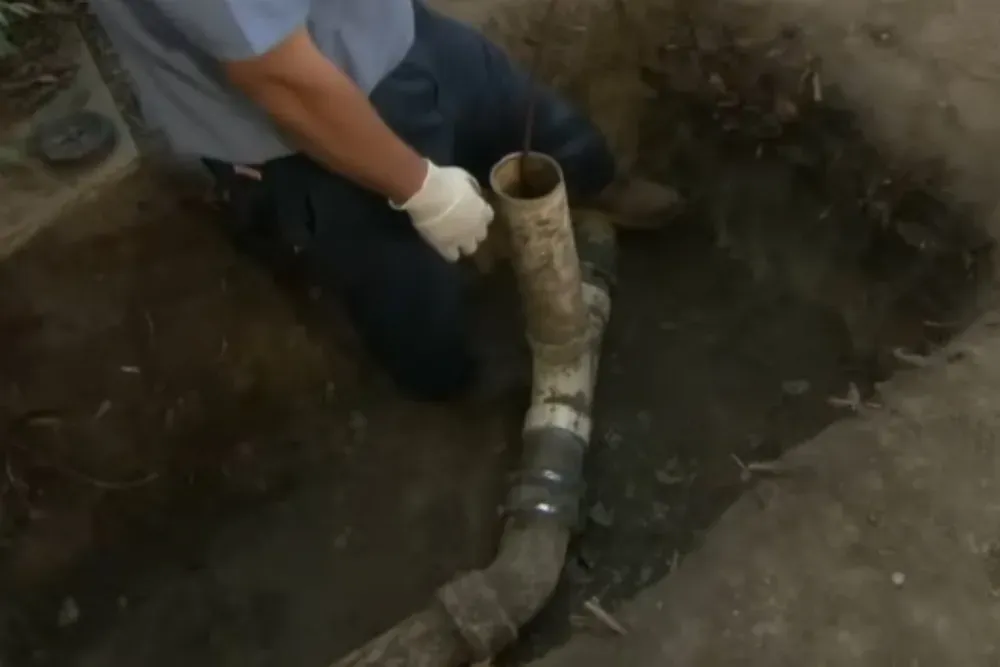
A sewer line problem is a health problem too
Sewage backing up into a tub or floor drain is not just a mess. It carries bacteria, and the longer it sits the more damage it does to floors and drywall. Stop using water, keep people out of the area, and call. If water is rising, do not flush toilets or run the washing machine.
Our 24/7 line takes these calls. A repair is a different matter from a cleaning, so the plumber first confirms whether the line is only blocked or actually damaged. That decides whether you need cleaning or repair.
How a sewer line repair is diagnosed and done
Sewer work is expensive when guessed at. The camera first approach avoids that.
- 1
Locate the problem with a camera.
A camera inspection shows cracks, offsets, roots and bellies in the line, with a recorded length to the problem.
- 2
Choose the repair method.
Spot repair, trenchless lining or open-cut replacement each suit different damage. The plumber explains which fits and why.
- 3
Get a clear price.
Because the camera defines the scope, the price can be stated before work starts.
- 4
Complete and verify.
After the repair the line is flushed and often re-inspected to confirm it is sound.
Municipal sewer connection rules and permits may apply. The plumber will tell you what is needed for your address.
Sewage in the tub or floor drain?
Stop using water and call. The 24/7 line answers day or night.
Trenchless or traditional digging
Both methods fix a broken line. The difference is how much of your yard is disturbed.
Trenchless lining or pipe bursting
- Fewer excavation holes, so less yard and driveway damage.
- Suits lines that are fairly straight with moderate damage.
- Not suited to a collapsed or severely offset pipe.
- Needs a camera inspection to confirm suitability.
Open-cut repair or replacement
- Digs down to the pipe and replaces the damaged section.
- Suits collapsed lines, deep bellies and short repairs.
- Can restore the original slope accurately.
- Usually requires restoring the surface afterward.
Signs the sewer line may be damaged and not just blocked
| Sign | Possible cause | Check with |
|---|---|---|
| Repeated clogs after cleaning. | Roots, a belly or a damaged joint. | Camera inspection. |
| Sewage smell in the yard. | A cracked or leaking line. | Camera and locate. |
| Slow drains throughout the house. | Main line restriction. | Cable first, camera if it returns. |
| Soggy patch over the line. | A break leaking into soil. | Locate and inspect. |
A single sign is not proof. The camera is the way to be sure.
What affects sewer lines under Roy yards
Roy's housing stock ranges from the early post war years to recent construction, and the lines under it range from clay tile and cast iron to PVC. Older clay and cast iron lines tend to have joints that roots find. Newer PVC lines are smoother but can settle and form a belly where water collects.
The city's own water plan notes that soil in Roy is corrosive to metal pipe. That is a reason many sewer repairs on older metal lines end with PVC. If your home has an older line and you have seen repeat backups, ask for a camera look before any large repair is proposed.
What to ask before approving a sewer repair
A sewer repair is one of the larger plumbing jobs, so it is worth asking a few questions. Ask to see the camera footage and the location of the problem along the line. Ask why the proposed method fits the damage. Ask what surface restoration is included.
Get the price in writing and confirm what happens if the work uncovers something different. A plumber who stops and explains instead of continuing is protecting you. See our repiping page for a related whole-system decision when pipes throughout the house are aging.
What decides the price of a sewer repair
Homeowners policies often exclude sewer line wear, though some offer an endorsement. Check yours before you commit.
What to do before help arrives with a sewage backup
Sewage carries bacteria, so treat any backup as a health matter.
- Stop using every fixture, since all of them feed the same line.
- Keep people and pets out of the affected area.
- Avoid touching sewage, and wash hands thoroughly if you do.
- Open windows to ventilate if it is safe to do so.
- Photograph the damage for your insurer before cleanup starts.
Leave porous materials like carpet to the cleanup professional, since they can hold contamination.
Where we repair sewer lines
Older lateral lines are common in Ogden and in Roy, and the Clearfield page covers the post war homes where clay lines are still in service. For the older streets of Arsenal Villa, a camera inspection usually comes first.
Questions about sewer line repair
If a cleaning clears the line and it stays clear, you probably do not need a repair. If clogs return, a camera inspection shows whether the line is damaged.
Not necessarily. Many repairs use spot digs or trenchless methods. The camera shows the damage, and the plumber explains the least disruptive option that will hold up.
The homeowner is generally responsible for the line from the house to the connection with the municipal main. Ask the city or the plumber to help confirm where yours ends.
Small spot repairs sometimes can. Larger lining or replacement jobs may take longer. The plumber states the expected scope when giving the price.